
Share


Plant-forward dining has moved beyond trend status to become a structural shift in UK foodservice.
While strict veganism has stabilised, the way consumers choose to eat has changed. Increasingly, diners want dishes that feel familiar, flavourful and inclusive, but that also offer more plant-forward balance within their overall eating habits. This shift is being led by flexitarian customers-those who are not fully vegan or vegetarian but who regularly choose plant-based dishes. As a result, operators across the sector are reassessing their menus to ensure they meet these changing expectations.
This evolution presents both opportunities and challenges. Guests now expect plant-forward options to be visible, varied and appealing, regardless of whether they are visiting a pub, bar, fast-food venue or casual dining restaurant. The question is no longer whether to offer plant-based dishes, but how to ensure they sit naturally within the wider menu and deliver on flavour, value and operational ease.
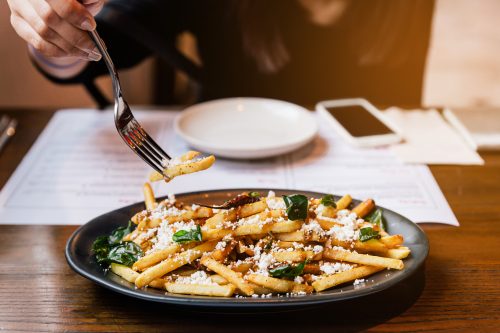
One area where plant-forward dining has gained significant traction is in comfort-led dishes. Consumers continue to seek meals that are deeply satisfying and recognisably “classic”, even when they are plant-based. This is reflected in the rise of loaded fries, potato-based bowls, sharers and elevated sides that use simple ingredients in imaginative ways. Rather than relying on expensive meat substitutes, many operators are finding that potatoes, vegetables and global flavours deliver the comfort and creativity diners want-without adding operational complexity.
Global street-food influences are also shaping how plant-forward dishes evolve in 2026. Diners are increasingly open to bold flavours and internationally inspired combinations, and plant-based formats pair particularly well with these trends. Whether it’s a bowl centred around roasted vegetables and grains, fries topped with Korean-inspired sauces, or Middle Eastern-seasoned sharers, plant-forward dishes offer versatility and broad appeal. For operators, these formats allow for strong menu differentiation without requiring major changes to kitchen workflows.
Value continues to be a driver behind menu choices, and plant-forward dishes can play a strategic role here too. With consumers closely scrutinising the cost of eating out, operators are under pressure to deliver dishes that feel generous and satisfying while remaining commercially viable. Plant-forward formats-particularly those using reliable, versatile ingredients such as potatoes-help operators maintain portion consistency and manage costs, while still delivering on flavour and menu interest. Their adaptability means they can flex across multiple dayparts, from lunch bowls to late-night sharers, supporting different revenue opportunities throughout the week.
This shift in consumer behaviour is particularly noticeable in pubs and bars. Historically slower to adopt plant-based menus, many outlets are now recognising the importance of offering dishes that cater to varied dietary preferences. Group dining behaviour has been a major driver of this change: often, the presence (or absence) of appealing plant-based options determines where the entire group chooses to eat. Offering dishes that feel familiar but plant-led-such as loaded fries, seasoned wedges, or shareable potato platters-helps pubs and bars meet evolving expectations while retaining their signature hospitality style.
Ultimately, the rise of plant-forward eating reflects a broader desire for choice, inclusion and flavour-driven experiences. It is not about replacing traditional dishes, but expanding menus in a way that welcomes a wider range of customer needs. For hospitality operators, this means paying close attention to how plant-forward dishes are positioned, presented and integrated into the overall offer. Successful examples across the UK show that when these dishes are comforting, flavourful and operationally practical, they attract not only vegan diners but the much larger flexitarian customer base.
As 2026 unfolds, plant-forward dining will continue to play a central role in shaping menus across the hospitality landscape. Operators who approach this shift with creativity and confidence will be well positioned to meet guest expectations and enhance the appeal and resilience of their menus in the year ahead.