Why smarter energy management is now hospitality’s most underrated competitive advantage
Share


Find out more here
For years, sustainability in hospitality sat somewhere between “nice to have” and “marketing add-on.”
Today, it has become a business necessity. It directly influences profitability, guest satisfaction, and long-term operational resilience. Across the UK, operators are navigating rising energy costs, tightening regulations, and increasingly eco-conscious travelers. Yet one area remains surprisingly overlooked in the race towards greener operations: guest-room energy management.
It’s a blind spot with big consequences. Guest rooms account for a major share of hotel energy consumption, yet research shows they remain unoccupied for 60–65% of the day while systems continue running. Heating or cooling an empty room is no longer just inefficient; it’s financially unsustainable. This is where smarter, data-driven energy control becomes a genuine competitive advantage.
Energy efficiency without compromising the guest experience
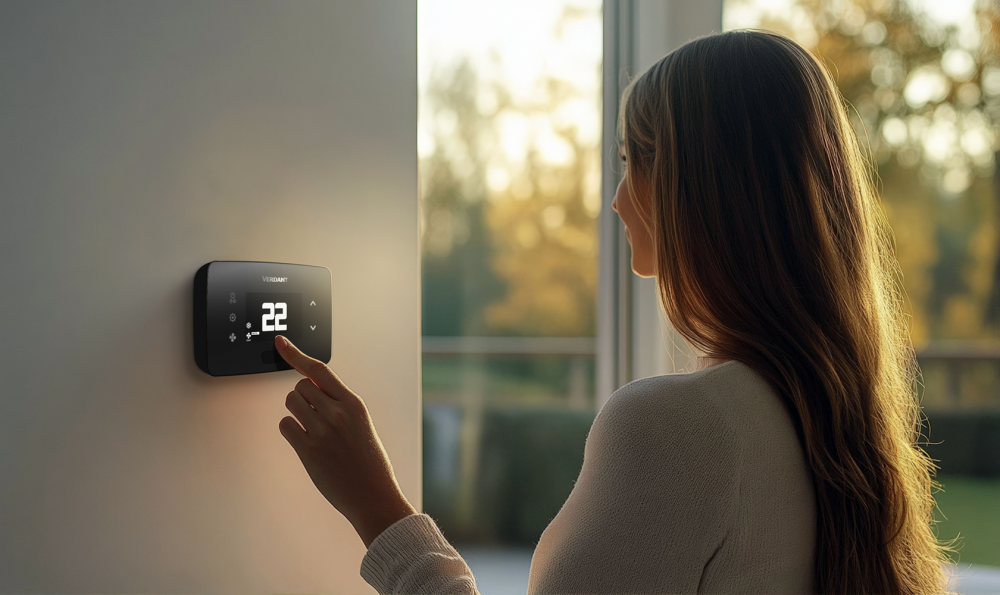
The common misconception is that sustainability requires guest trade-offs. But modern occupancy-based control systems challenge that idea. By automatically adjusting room heating or cooling when guests are away, hotels can significantly cut energy waste without guests ever noticing a change.
Remote management tools support this approach and allow to monitor and adjust settings across the property, ensure consistency, and respond quickly to inefficiencies. A practical advantage at a time when many businesses are operating with reduced staffing and rising energy costs.
For many operators, this offers something rare: a sustainability initiative that reduces carbon emissions, cuts operating costs, supports ESG reporting with reliable data, and prioritizes guest comfort. All at the same time.
In an industry battling labor constraints and tight margins, these “silent efficiencies” matter more than ever.
300 new outlets. Black Sheep Coffee and Caffè Nero were among the most active chains, while Starbucks and Costa Coffee also contributed strongly to this expansion. However, this year Starbucks announced some closures both globally and in the UK.
A smarter approach to retrofits
One barrier has traditionally been installation complexity. But newer technologies now allow hotels to upgrade energy management systems quickly, without rewiring or disrupting rooms. Simple, scalable retrofits are enabling properties - from independent hotels to large groups - to access savings that were once only achievable through major capex projects. For owners and operators working toward net-zero pathways, intelligent HVAC and (smart) thermostats is becoming one of the most cost-effective solutions available.
Every empty room is an opportunity
As the sector continues its transition toward greener, more resilient operations, hotels that embrace smart energy management will be the ones that gain the greatest advantage. It is not just in cost savings, but in brand reputation, guest trust, and operational agility. Sustainability is no longer about grand gestures.
It’s about making the everyday smarter. And in hospitality, the humble guest room may just hold the biggest untapped potential of all.