Where does your venue’s energy actually go? A practical guide for hospitality operators
Share



Hospitality operators know what they pay for energy, but often not why.
Behind one monthly figure, ovens, extraction, refrigeration, hot water and lighting draw power at different times.
Kat Auckland, Communications and Projects Director at Geo Green Power, says:
“Energy is often treated as a bill to be paid rather than something to be managed. The venues that understand where it is being used, and when, are the ones that can take control.”
Different venues, different loads
AMA research shows restaurants and takeaways account for 33% of UK leisure and hospitality electricity use, pubs 21% and hotels 19%. Their biggest loads differ:
- Restaurants and takeaways: 80% of electricity is used for cooking
- Pubs: 80% of electricity use is dedicated to cooking and cool storage, mostly cellar cooling
- Hotels: heating, fans and air conditioning take around a third, catering 19% and lighting 12%.
These figures cover electricity only. Many kitchens and boilers also run on gas, so for a full picture you need data for both fuels.
The usual suspects
Refrigeration runs continuously, so worn seals, dirty condenser coils, overstocking and poor placement quickly increase consumption, according to the Carbon Trust Guide for Hospitality.
Extraction wastes energy when it removes heated or cooled air at full speed when it’s not necessary and wherever you are storing or moving hot water thermostats and pipe insulation also matter. Lighting fixes are simple, especially in back-of-house areas, and our tip is to always assess laundries, pools and spas separately because they can be major loads.
Finding the waste
- 1
Review 12 months of bills and meter readings.
If you have similar winter and summer costs, or little difference between quiet and busy months, it suggests a high fixed baseload.
- 2
Ask for half-hourly data
This will show you when energy is being used and is becoming much more available as the industry moves to half-hourly settlement.
- 3
Check your overnight load
Refrigeration, standby equipment, extraction and lights used between closing and opening form your baseload. If it is unexpectedly high, start there.
- 4
Walk the building at closing time
Fryers, extraction, display lighting, bottle fridges and glass washers left running are common culprits.
Quick wins and bigger projects
Quick wins need little or no spend: closing checklists, service-aligned start times, clean condensers, sound door seals and better heating, cooling and extraction schedules.
Time bigger projects with replacement, lease events or refurbishment: LED controls, efficient refrigeration and cooking equipment, variable-speed extraction and fabric improvements.
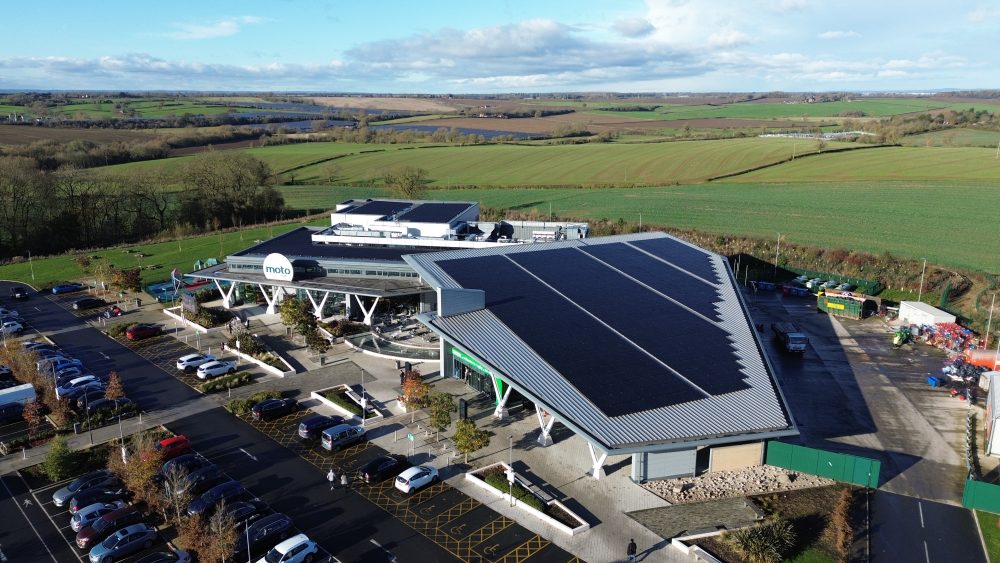
Consider solar: Solar for hospitality buildings can reduce costs and exposure to long-term energy-price volatility.
Tenants should check the lease first. Energy costs, equipment ownership and consent requirements determine what is realistic, so involve the landlord early.
What to ask for in an energy audit
- Does it cover every fuel and use your actual, half-hourly, data?
- Does it break consumption down by system or area?
- Does each recommendation state cost, savings, payback, assumptions and any commercial interest?
Where to start
Pull out 12 months of bills, check your overnight load and list your three biggest consumers. That gives you a baseline, and a baseline turns energy from a monthly surprise into something you can manage.
“You don’t need a big budget or a consultant to begin,” Kat adds. “A few hours with your bills and a walk round at closing time will tell you more than most operators expect.”
Kat Auckland is Communications & Projects Director at Geo Green Power. She spent over 15 years in the hospitality and gaming sector with companies including Greene King and Punch Taverns before joining Geo Green Power in 2019.
Find out more

Three strategic waste management pillars for UK hospitality businesses
The Government’s withdrawal of an updated tipping code of practice less than three months before implementation has left hospitality in limbo, UKHospitality said.