
Share


Download the full report.

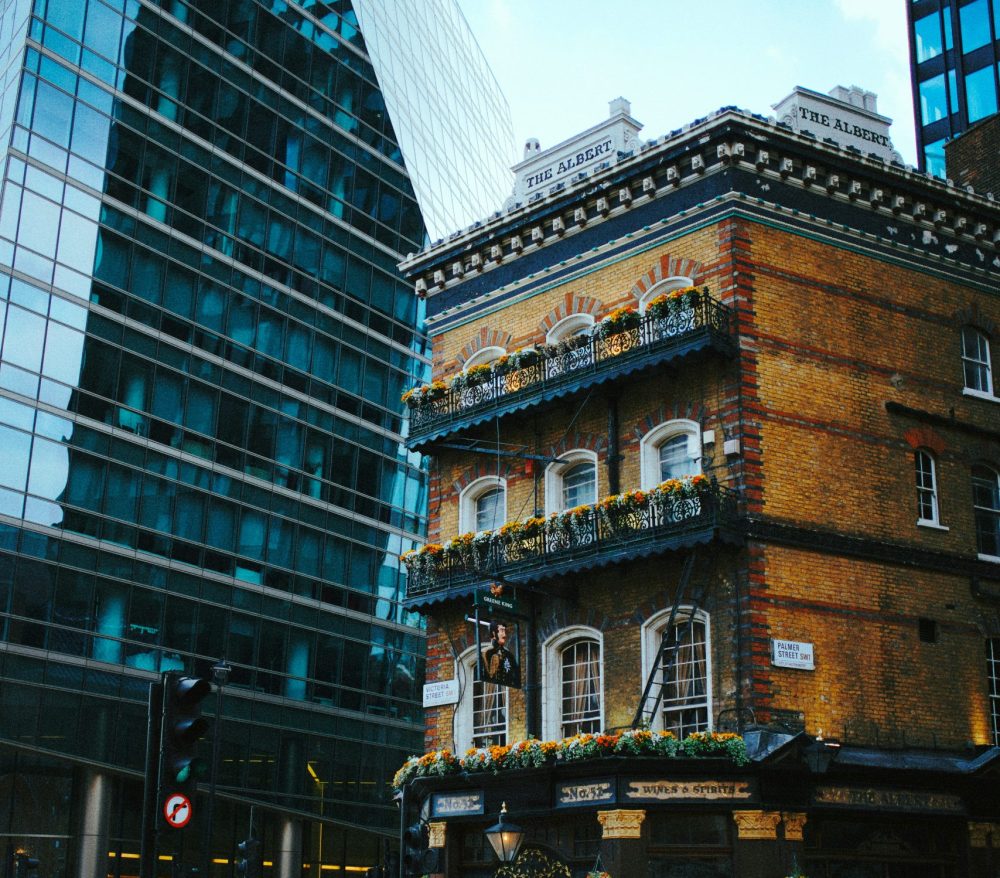
The UK’s hospitality sector creates places where people want to live, work and invest, whilst also contributing more than £140 billion in economic activity.
However, hospitality is more than its economic contribution – the sector is the lifeblood of the UK, employing local people, providing a world class infrastructure to tourists and facilitating social cohesion.
Placemaking is a strategic, long-term approach to shaping the physical environment, economic activities and community dynamics of local areas. Effective placemaking ensures that towns and city centres are not only commercially viable, but socially meaningful, creating spaces where people can gather, interact and participate in community life.
However, hospitality businesses depend upon functioning local services and a supportive policy framework in order to truly unlock economic growth. Businesses across the UK often have to navigate restrictive local policies that hinder growth due to planning, licensing or broader development considerations. When frameworks are overly burdensome or misaligned with economic growth objectives, they constrain the sector’s capacity to contribute fully to placemaking.
The below recommendations are policy levers that can be pulled by Government to deliver effective placemaking, which would unlock hospitality-led regeneration.

How Government can deliver placemaking
The planning system as a barrier to investment
A functioning planning system is essential for both business and Government, incentivising investment in town and city centres and helping the UK reach its target for growth and national renewal. Despite some positive improvements having been made to the planning system over recent years, such as the introduction of Class E and initial steps made to reform planning committees and statutory consultees, several structural issues still exists, acting as a significant barrier to investment.
Delays in the planning system have been worsening significantly since 2014-15, and show little sign of improving:
- In 2014-15, the percentage of major applications decided within the statutory time period of 13 weeks was 47%. Now it is just 19%.
- There is a similar trend for minor applications, where, in 2014-15, the percentage of applications decided within the statutory eight-week time period was 64%, but has since fallen to 41%.
This has, in part, resulted in the number of overall applications decreasing. In 2014-15, a total of circa 473,000 planning applications were received, which, in 2023-24, fell to c.333,000. Whilst this data is not exclusive to the hospitality sector, and indeed there are many other external factors that are likely to have contributed to this decline, this is undoubtedly an alarming trend which has, in part, been caused by many of the issues outlined below.
Problems and solutions to reform commercial planning
To prevent further delays and issues with the planning system, the Government should:
Not only would this help to ease the burden on local planning departments by reducing the time spent reviewing applications, but this would also incentivise investment, streamlining the process for applicants. Such are the diversity of views and needs of each local area, it is right that individual planning departments retain the ability to set their own local criteria, such as an additional focus on environmental issues, urban design or architectural considerations. However, any system of presumptive permission should have economic growth as a leading principle, to supercharge hospitality-led regeneration.
Pre-application engagement can be essential for speeding up the determination periods for applications, providing both local planners and applicants with key information on the proposed development. Whilst it is clear that many local planning departments do not currently have the resource to dedicate additional investment in this area, in the interim, we would like to see the Government issue good practice, recommending a renewed focus on pre-application services and reminding local planning departments of their benefits.
This will help to alleviate some of the immediate burdens facing local planning departments and provide an added impetus for all consultees to collaborate to prevent conflicting recommendations. As a wider point, it is essential that all elements of the planning system operate in a pro-growth manner, recognising the wider social and economic benefits of development as standard practice, rather than seeking to restrict development. As above, the scope for consultees should be clearly defined and limited.
In such a system, local planning departments could be permitted to charge an additional fee to determine applications under the statutory time limit. For major applications, the determination period could be 10 weeks, with five-week periods offered for minor applications. It is right that the criteria for using such services should be as broad as possible, to allow many businesses to make use of the service, whilst ensuring local planning departments can raise much-needed additional resource.
This would provide a greater incentive for local planning departments to meet their targets. Whilst we are understanding of the resourcing challenges facing local authorities, businesses should not be responsible for paying increased fees where the service offered to them is continuing to worsen.
LEGOLAND, Merlin EntertainmentsCase Study
After a series of individual applications, Merlin was encouraged by the Royal Borough of Windsor & Maidenhead to take a more strategic, long-term approach, setting out a vision for the next decade. Merlin did just this and after extensive pre-application engagement, submitted a hybrid planning application in June 2017. The planning officers involved were reluctant to allow Merlin to have a direct dialogue with statutory consultees, and when responses from the latter were received, they were not passed on in a timely manner, elongating the entire process.
After a committee date was secured in May 2018 (some 11 months after submission), there was a recommendation for refusal, principally due to officers considering that the economic benefits did not outweigh the technical harm to the Green Belt. Despite this recommendation, elected members took a different view: that there were very special circumstances which outweighed any harm to the Green Belt, and they were resolved to grant permission (which was issued in April 2019). Soon after this, a third party (CPRE Berkshire) submitted a Letter Before Action (in line with the Pre-Action Protocol), setting out the grounds of a potential Judicial Review claim, and asking for the planning consent to be quashed.
With the initial decision (the resolution to grant consent) having been made in May 2018, Merlin had to wait over 43 months before being able to proceed with implementing what councillors voted in favour of. During this time, the resulting investment in the local economy, including the creation of new jobs, had been put on hold; and Merlin then had to look afresh at the approved plans to establish the extent to which changes to market conditions had impacted on implementation, almost four years on.
Recommendation: To speed up future decision making, the Government should introduce a dedicated fast-track system for both minor and major commercial applications.
Benefit: In such a system, local planning departments could be permitted to charge an additional fee to determine applications under the statutory time limit. For major applications, the determination period could be 10 weeks, with five-week periods offered for minor applications. It is right that the criteria for using such services should be as broad as possible, to allow many businesses to make use of the service, whilst ensuring local planning departments can raise much-needed additional resource.
Recommendation: As a last resort, and where local planning departments are consistently falling behind targets with delays worsening, there should be a freezing of increases to planning fees.
Benefit: This would provide a greater incentive for local planning departments to meet their targets. Whilst we are understanding of the resourcing challenges facing local authorities, businesses should not be responsible for paying increased fees where the service offered to them is continuing to worsen.
How local authorities can deliver placemaking
It is not only central Government that has a role to play in delivering effective placemaking. Local authorities are uniquely positioned to shape successful places, with a detailed understanding of how their local economies function, and which levers can be deployed to support economic growth and community vitality.
Hospitality should be recognised as essential infrastructure within local plans and regeneration strategies, rather than treated as a by-product of regeneration. Early engagement with existing local businesses can ensure that development proposals reflect business requirements, whether that be cost viability, unit sizes or footfall patterns. It is important that there are structured engagement mechanisms to allow this to occur, such as advisory groups or co-design processes. Taking this approach can lead to more commercially viable developments, as well as stronger occupier demand, ultimately reducing the number of properties becoming vacant across local areas – and helping to create places people want to live in.
Inevitably, the viability of hospitality-led regeneration is highly sensitive to operating costs, including rent, business rates and utilities. In many locations, these costs present a significant barrier to entry and long-term sustainability. Whilst many of the levers that need to bring down costs sit with the Government, local authorities can still play a more proactive role in improving affordability. This can be done in many ways – we saw local authorities offering cheaper pavement licences to hospitality businesses throughout the pandemic and suspending cumulative impact policies. Working with hospitality businesses to deliver similar, unique ways to support affordability is essential to having long-term, sustainable local economies.
Thriving local areas are underpinned by a broad mix of hospitality uses that appeal to different audiences and operate across the day and evening. A well-balanced ecosystem encompassing cafés, restaurants, pubs and leisure venues supports footfall and ensures there is something for everyone in our local areas. It is essential that local authorities take a more active role in shaping this diverse mix when designing local plans, through planning and regeneration strategies.
Accessibility is fundamental to the success of hospitality. This is particularly true in the evening and nighttime economy, where transport availability directly affects the ability of people and staff to get to and from venues. Without effective transport links, footfall is reduced and economic growth is minimised. Local authorities should work with transport providers to improve connectivity, including extending service hours, as well as ensuring routes are well-lit and safe for walking. Improved connectivity is ultimately a significant driver of people to local areas, increasing visitor numbers and expanding access to businesses.
Successful regeneration projects across the UK have all had one core principle – joined-up thinking across multiple areas of local authority responsibility, including planning, licensing, and transport. Where these functions operate in silos, it can create delays and inconsistencies – for example, the Agent of Change principle may be embedded in licensing decisions but if it does not exist as a core principle when granting planning permission, it becomes defunct. Establishing more coordinated governance structures, supported by clear leadership and shared objectives, can streamline decision-making and create a more supportive environment for businesses. Greater coordination is also essential in reducing delays when expanding or growing a business, providing a greater level of certainty when making investment decisions.
Vacant units can significantly undermine the attractiveness and economic performance of an area, and directly impact future investment. Proactive strategies to bring these spaces back into use should be a central component of regeneration efforts, and have been integral to successful projects across the country (such as in Folkestone and Bristol). When considering regeneration efforts, local authorities should ensure vacant properties are a focus and work with local groups to develop innovative solutions like pop-up events, to restore confidence and stimulate longer-term investment.
In order to create vibrant local areas, greater consideration must be given to ground floor space, which plays a crucial role in shaping the feel and look of high streets. Active frontages occupied by hospitality businesses can help to create vibrant environments that are attract footfall and encourage dwell time. In contrast, inactive or poorly designed frontages can undermine even well-planned developments, creating dead space that detracts from the overall attractiveness of an area.
Local authorities should take a proactive approach to ensuring that ground floor spaces are designed and delivered in a way that supports active uses. This includes embedding clear expectations within planning policy for active frontages in town centres, and resisting the introduction of inactive uses such as residential only frontages at street level in key locations. When we think of thriving high streets, our minds immediately go to ground floor uses supported by outdoor space, whether that be pub gardens or tables and chairs outside cafes. Local authorities must ensure they are taking a proactive approach to outdoor areas and pavement licences to help enhance the vibrancy of local areas.
Successful regeneration projects, both in the UK and abroad, have often had a strong focus on zoning – identifying areas where hospitality business can cluster and thrive. Well-managed zones can create destination locations that attract visitors and generate economic activity. Whilst there has been positive discourse from the Government on zoning, local authorities should work with town planners via local plans to identify areas where zoning could occur and ensure there are aligned planning, licensing and infrastructure investment to support it. Effective zoning can boost footfall, strengthen local identity, and create vibrant destination areas that attract both visitors and investment.
Delivering successful hospitality-led placemaking requires clear strategic vision, with a joined-up approach across licensing, planning and regeneration. Local authorities should articulate how hospitality fits within their long-term vision for an area and ensure there is accountability for delivery. This may include appointing a dedicated lead or establishing partnerships to drive progress and maintain momentum over time. Providing this strong leadership can help provide clarity for investors and ensure there is consistent delivery and accountability for regeneration efforts.
Hospitality led regeneration cannot occur without effective services that support the management of local areas. Clean, safe, and well-maintained environments are essential to attracting visitors, encouraging dwell time, and encouraging investment. Where services are poor, whether that be via litter or inadequate street lighting, can have a direct impact on the look and feel of a local area, and ultimately disincentive footfall and regeneration.
Local authorities should prioritise investment in public realm improvements alongside regeneration, including high-quality seating, lighting and green spaces. A consistent approach to place management is particularly important in supporting the evening and nighttime economy, where perceptions of safety are critical.
BristolCase study
A placemaking session was held in Bristol, convening representatives from local authorities and hospitality businesses, highlighting the integral role of the hospitality sector in effective placemaking. There was clear alignment around the value of strategic initiatives such as the Harbour Commercial Prospectus, which identifies development opportunities and actively encourages business engagement in shaping these spaces. Complementary approaches, including cultural activation strategies, the use of Shared Prosperity Fund grants to bring vacant properties back into use, and the activation of council-owned land for events, demonstrate how coordinated interventions can enhance vibrancy and economic activity.
The discussion reinforced the broader contribution of hospitality to local identity and place appeal, with a strong consensus that thriving communities are closely linked to the presence of diverse hospitality offer. This highlights the sector’s importance not only as an economic driver but also as a key component of social and cultural infrastructure.
At the same time, a number of structural and delivery challenges were identified. Effective ground floor use, pedestrianisation, and the provision of pavement licences were recognised as critical tools in shaping attractive and safe environments. However, inconsistencies in coordination between combined authorities and local councils can limit the effectiveness of these measures. In addition, existing funding mechanisms do not always align with local capacity or support the development of in-house expertise.
The session highlighted the need for a more strategic and coordinated approach to embedding hospitality within placemaking frameworks. This includes the early designation of hospitality zones, supported by aligned planning, licensing, and development policies. The importance of clear leadership, potentially through a designated champion or delivery group, was also emphasised, alongside the need for stronger collaboration between planners, developers, and licensing authorities to ensure hospitality is fully integrated into long-term regeneration strategies.
How businesses can deliver placemaking
Hospitality businesses are not just occupiers of space; they are active curators of place. Effective engagement with regulation, particularly around planning and licensing, is therefore not simply a compliance exercise. Done well, it is a strategic tool to strengthen reputation, build trust and unlock growth.
The below sets out how businesses can actively support placemaking through structured engagement, alongside the benefits this brings and the practical steps it can trigger.
Placemaking succeeds when local people feel ownership over change. Hospitality venues often act as informal civic spaces - hosting meetings, celebrations and community life.Early and ongoing engagement can:
• Reduce objections to planning or licence variations.
• Build goodwill that supports extended hours or diversified use.
• Strengthen brand loyalty and repeat custom.
• Improve perceptions of safety and stewardship in the local area.
In practice, venues that demonstrate they are responsible operators - proactive on noise, anti-social behaviour, waste and accessibility - are more likely to be seen as assets rather than risks.
Local authorities are central to placemaking through planning policy, licensing decisions, economic development strategies and regeneration frameworks. Constructive engagement can:
• De-risk planning and licensing outcomes.
• Align proposals with local development plans and town centre strategies.
• Identify funding or regeneration opportunities.
• Shape emerging policy in ways that recognise hospitality’s economic and social value.
Local authorities are increasingly focused on mixed-use development, public realm activation, safety and inclusive growth. Hospitality businesses that position themselves as delivery partners - not applicants - can influence these priorities.
Planning and licensing are not one-off transactions; they are ongoing regulatory relationships. Local authorities have statutory objectives - such as promoting the licensing objectives (prevention of crime and disorder, public safety, prevention of public nuisance, and protection of children from harm) - alongside broader goals around employment, skills, net zero and town centre vitality.
Businesses that actively support these objectives can:
• Strengthen their case for flexible licensing conditions.
• Demonstrate social value in planning negotiations.
• Improve long-term regulatory relationships.
• Position themselves as anchors in regeneration schemes.
Overarching recommendations
- 1
Engage early, not reactively.
Begin dialogue with communities and councils at concept stage, before formal applications are lodged.
- 2
Treat planning and licensing as strategic relationships.
Move beyond compliance to partnership, with named contacts and regular check-ins.
- 3
Align proposals with local priorities.
Explicitly reference Local Plans, licensing objectives and economic strategies in applications.
- 4
Embed community voice in operations.
Establish structured feedback channels and visible accountability mechanisms.
- 5
Demonstrate social value through skills.
Partner with local colleges, offer apprenticeships and communicate employment outcomes as part of placemaking impact.
- 6
Be transparent and data-led.
Share evidence of economic contribution, local employment and responsible management to build trust.
Find out more
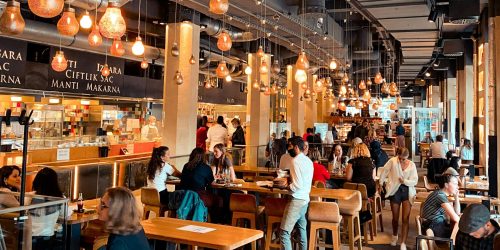
Placemaking report launched as a blueprint for the high street
The report sets out how removing regulatory barriers, alongside tackling cost pressures, would allow hospitality to thrive as a placemaker.

Continue reading
Join over 750 members who have exclusive access to latest news, online support, policy updates and much more.