Hospitality turns VAT relief into family promotions as cost pressures persist
Share



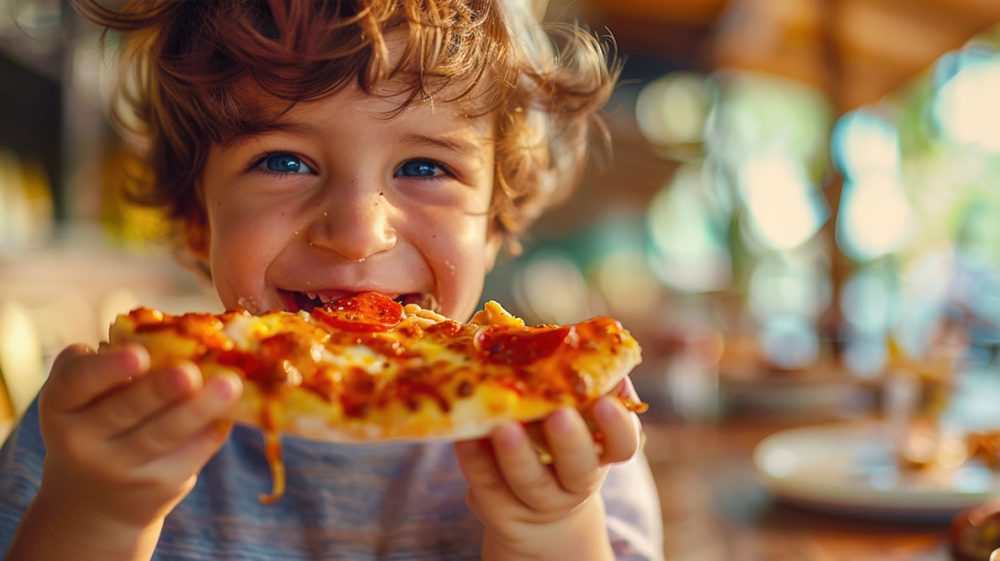
Around 30% of restaurants and pubs are using “kids eat free” offers this summer, twice as many as those directly applying a VAT cut to kids’ meals.
The average kids’ meal now costs £5.05 in fast food and £7.55 in restaurants and pubs, according to Meaningful Vision’s analysis of 300 UK chains and more than 25,000 outlets. The data shows how operators are using the temporary VAT reduction on children’s meals, and why the measure is helpful but not enough to ease the pressure currently being felt across the hospitality industry.
From 25 June to 1 September 2026, VAT on qualifying children’s meals has been reduced from 20% to 5% under the government’s Great British Summer Savings scheme. If operators keep the underlying net price unchanged, this creates a possible customer saving of around 12.5%. For a £6 children’s meal, that would mean a summer price of £5.25.
There is no requirement to pass the savings on, so the response across the market is mixed. Some operators are using the VAT cut to offer clear value to families. Nando’s and Wetherspoon have temporarily reduced children’s meal prices by 12.5%, broadly in line with the VAT change. McDonald’s is going further on headline price, offering Happy Meals for £2.99, which is 27% below the fast-food kids’ meal average. The offer is app only, which also links the discount to loyalty, repeat visits and customer data.
In restaurants and pubs, the most common response is not a direct price cut. Around 30% are using “kids eat free” offers during the summer, usually linked to an adult purchase or a specific occasion such as breakfast. ASK Italian, Bella Italia, Zizzi, Bill’s and YO! are among the brands using this approach. Around 15% of casual dining restaurants and pubs are applying a price cut broadly in line with the VAT reduction, while “kids eat for £1” is less common, used by around 5% of restaurants.
Maria Vanifatova, CEO of Meaningful Vision, said: “The UK foodservice industry is still under pressure. Consumers are eating out less often, while food and labour costs continue to rise. The temporary VAT cut is useful, but cost challenges remain for hospitality businesses. Operators are still having to work hard to show value without giving away margin. The most effective kids’ offers are simple, visible and linked to the wider family visit, where adult meals, drinks and repeat occasions matter.”
For hospitality operators, the VAT cut is useful because it gives families a simple value message during the school holidays. It also gives brands a reason to refresh promotions at a time when visits remain under pressure.
The problem is scale. A temporary VAT reduction on one part of the menu does not address wider cost pressure from labour, food, rent and energy. Many restaurants were already offering discounted or free children’s meals before the scheme began, which limits the additional commercial benefit.
The more important lesson is how operators structure value. The strongest family offers are simple, visible and tied to adult spend. A free or discounted kids’ meal can help bring families in, but the margin is protected by the wider table: adult mains, drinks, desserts and repeat visits.
Local execution also matters. A national kids’ deal can look strong, but its impact depends on nearby competitors, visibility in digital channels and family traffic around retail parks, leisure destinations and school holiday occasions.
The VAT cut ends in September. The pressure on hospitality will not.
Find out more
Placemaking report launched as a blueprint for the high street
The report sets out how removing regulatory barriers, alongside tackling cost pressures, would allow hospitality to thrive as a placemaker.